
Reading from Foreign Labours in Indonesia
"In terms of employment, AEC (ASEAN Economic Community) not only create a threat but also open up business and employment opportunities. Therefore, it is important for the government and all parties to prepare short-term programs to improve Indonesian labour productivity, "said Ani Muttaqiyathun, S.E., M.Si. the head of Management Department of Faculty of Economics, University of Ahmad Dahlan (UAD) Yogyakarta when attending a program at Radio of Sonora Jogjakarta, Thursday (08/18/2016).
Ani continued, ‘This can be focused on the improvement of human resource policy in the sector of Micro, Small and Medium Enterprises (SMEs) and the labourers are not only be prepared for large-scale enterprises. Through the entrepreneurship establishment program in the SME sector, Indonesia will continue to be the host for their own country. The number of national entrepreneurs just about 0.18 percent of the total population. Meanwhile, to support high economic growth and sustainable development, Indonesia needs a number of entrepreneurs of more than 2 percent of the total population, or about 4 million people.
At the beginning of this year, many media reported that thousands of foreign laborers (TKA) entered the country. This is confirmed by the Ministry of Labour. However, he argued that the number of foreign labourers is less than 0.1 percent of the total number of laborers in Indonesia (with a working age group about 129 million). On average the figure ranges from about 70 thousand people each year. The types of foreign labours occupation in general are professionals, directors, managers, advisors / consultants, commissioners, qualified technicians, and expert supervisors.
In the minister of labour and transmigration regulation No. 12 year 2013 it is mentioned, among others; only an incorporated company that is permitted to employ foreign labour; only four types of temporary jobs which are permitted: machine installation, electrical, after-sales service, and business introduction products; and foreign labour should be able to show a certificate of competency or have at least five years experience in that field.
Based on the MRA (Mutual Recognition Arrangement) which has been acknowledged by ASEAN countries, there are just eight proffesions agreed. The occupation should be specific and not general, and only permitted for educated foreign labourers who master the skills and professional speciality. The eight profesional professions are engineers, nurses, architects, surveyors, accountants, medical practitioners, dentists, and tourism workers.
Foreign labors looking for a job in Indonesia within the framework of MEA should be skilled labours. They should follow the labor law. These are related to MRA matters, so there should be common standards of the competencies.
"The point is someone who is considered to be skilled in our country, it is also considered the same or equivalent in other countries," he concluded. (dock)
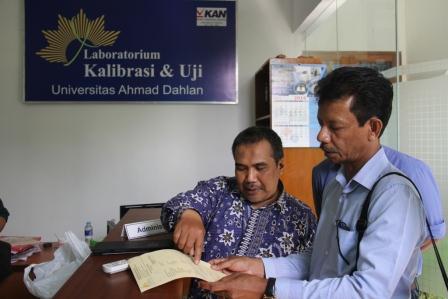 Accompanied by members of Smile Group Yogyakarta, three representatives of Environmental Ministry of Timor Leste (MCIA) visited University of Ahmad Dahlan (UAD). In their visit, they inspected the Calibration and Testing Laboratory (LKU) on Friday (26/08/2016)
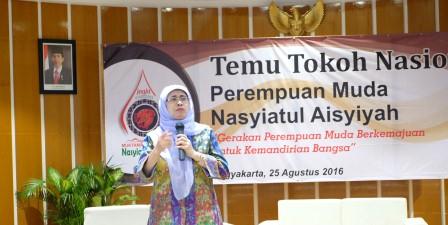 In the spirit of building brotherhood, motivating members, and finding inspiration, a meeting of young woman Nasyiyatul Aisyiyah national leader meeting was held coinciding a series of activities of 13rd Nasyiyatul Aisyiyah (NA) congress in Yogyakarta.
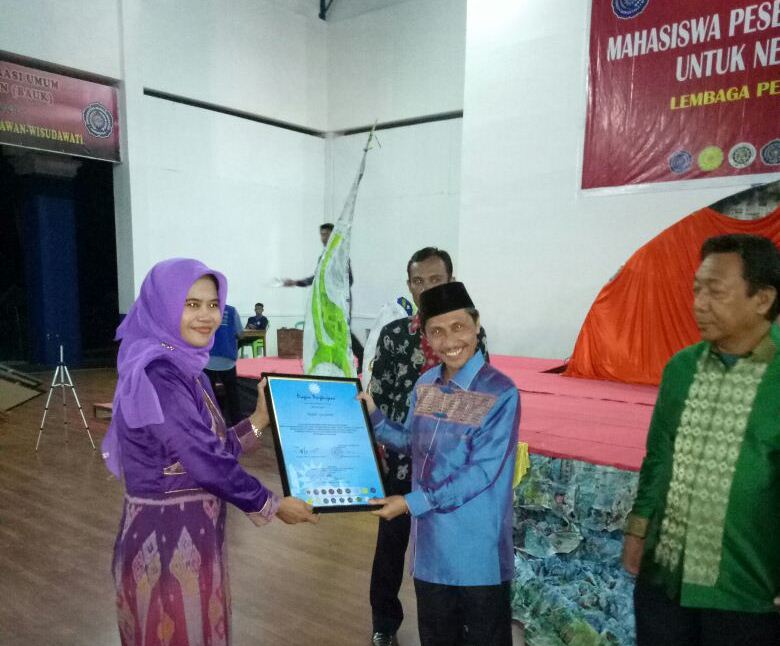 Kuliah Kerja Nyata Muhammadiyah (KKN Mu) untuk Negeri ke-3 resmi ditarik oleh Bupati Gorontalo, Prof Dr. H.Nelson Kamis (8/9/2016). KKN Mu tersebut diikuti oleh 320 mahasiswa dari 18 PTM se-Indonesia. Hadir sejumlah rektor Perguruan Tinggi Muhammadiyah (PTM) dan wakil rektor, serta kepala Lembaga Penelitian dan Pengembangan Masyarakat (LPPM).
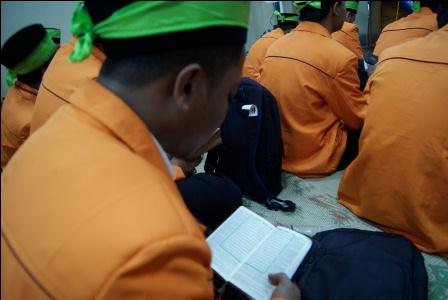 “Kami ini fakultas keagamaan, maka kita harus menjunjung tinggi kegiatan-kegiatan yang berbau keagamaan. Dengan itu, kita tidak hanya berhura-hura dalam pelaksanaan P2K, tetapi juga meningkatkan kualitas ibadah.” -Nuru Zaman-
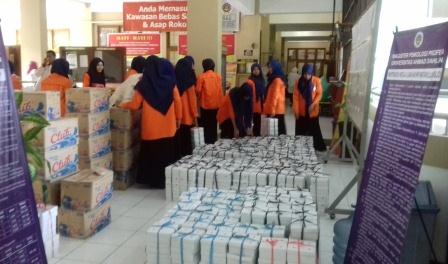 Di setiap kegiatan apa pun, konsumsi menjadi satu hal yang paling penting mengingat makan adalah kebutuhan dasar manusia. Dalam pelaksanaan Program Pengenalan Kampus (P2K) UAD 2016 ini, Panitia Tim Konsumsi yang dikomandani oleh Saryanto, selalu bekerja keras setiap harinya. Mulai dari memetakan jumlah mahasiswa per fakultas, vendor katering yang akan digunakan, pengecekan makanan setiap harinya hingga pendistribusian ke mahasiswa.
 Pengembangan potensi bagi mahasiswa sangat diperlukan agar mahasiswa dapat berekspresi sesuai dengan potensinya. Banyak sekali cara untuk memfasilitasi talenta mahasiswa di suatu universitas. Di UAD sendiri, mahasiswa yang memiliki talenta mendapat ruang yang luas untuk dikembangkannya. Seperti pada acara di penutupan P2K hari ini, Sabtu (3/9).